
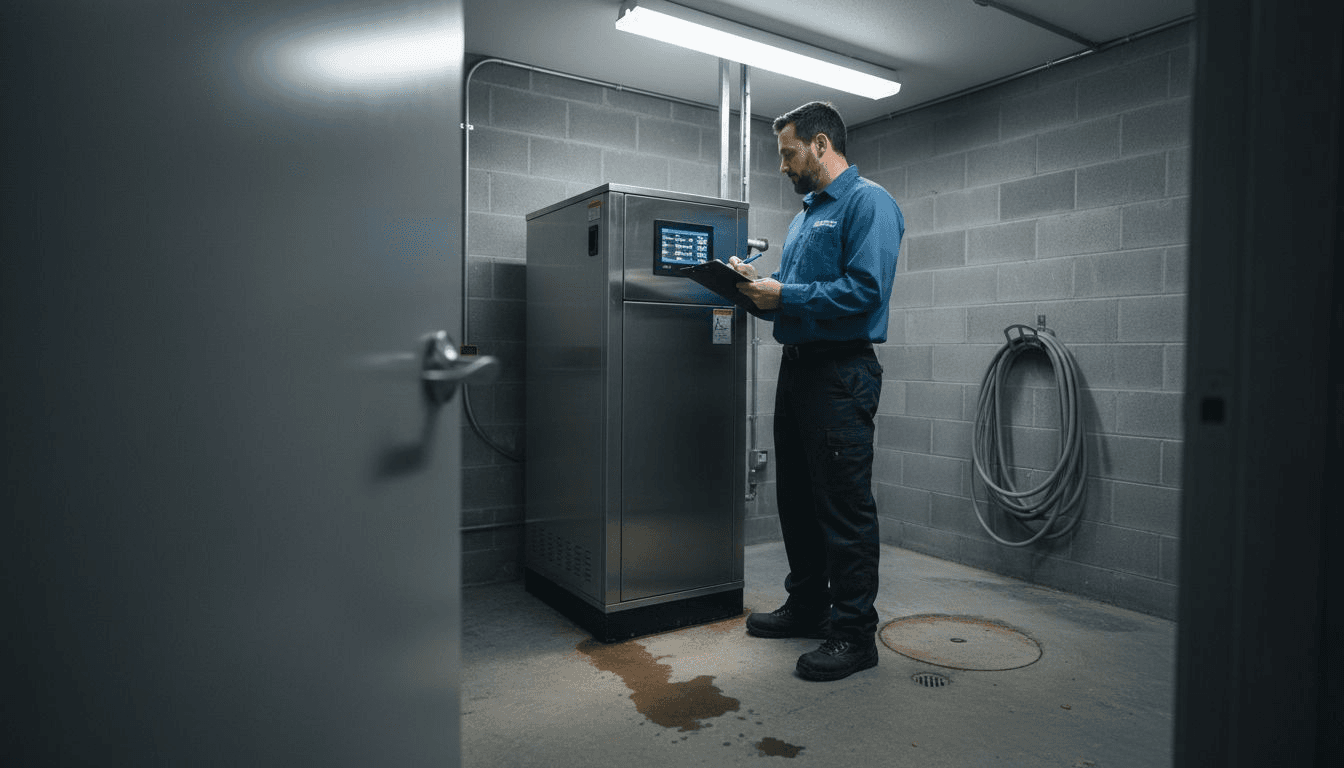
Managing water costs while hitting sustainability targets feels impossible when you lack visibility into where every gallon goes. Facility managers juggle rising utility bills, board-level ESG mandates, and outdated infrastructure. This guide walks you through planning, installing, and optimizing onsite water recycling systems using smart IoT sensors and AI analytics, delivering measurable savings and compliance confidence.
Table of Contents
- Introduction To Onsite Water Recycling
- Prerequisites And Site Evaluation
- Step-By-Step Installation And Commissioning
- Integration Of Smart Iot Sensors And Ai For Water Recycling Optimization
- Troubleshooting And Common Mistakes
- Safety, Regulatory Compliance, And Maintenance
- Expected Results And Measurable Outcomes
- Alternative Technologies And Tradeoffs
- Discover Advanced Onsite Water Recycling Solutions
- FAQ
Key Takeaways
| Point | Details |
|---|---|
| Water savings | Onsite recycling reduces water consumption by 20-35% within the first year of operation. |
| Leak detection | Smart IoT sensors cut leak-related waste by up to 30% through real-time monitoring. |
| ROI timeline | Most commercial facilities achieve full return on investment within 3 years post-installation. |
| Maintenance impact | Proper training and preventive maintenance avoid 40% of common system failures. |
| Audit importance | Accurate site audits prevent costly oversizing errors that inflate capital expenses by 20%. |
Introduction to Onsite Water Recycling
Onsite water recycling captures, treats, and reuses water from your facility's own operations. Greywater from sinks, showers, and laundry gets filtered and disinfected for non-potable uses like toilet flushing, cooling towers, and landscape irrigation. Rainwater harvesting systems collect runoff for similar applications. Together, these strategies slash potable water demand.
Onsite water recycling improves sustainability and reduces operating costs by diverting thousands of gallons from municipal supplies. You lower utility bills, meet green building certifications, and demonstrate environmental leadership to stakeholders. The payoff extends beyond dollars saved to brand reputation and regulatory goodwill.
Modern systems rely on proven technologies:
- Filtration removes suspended solids and organic matter through multi-stage media filters
- Disinfection uses UV light or chlorination to eliminate pathogens and ensure safe reuse
- Storage tanks hold treated water until demand spikes, balancing supply and consumption
- IoT sensors monitor flow, pressure, and quality parameters in real time
- AI analytics optimize chemical dosing, backwash cycles, and maintenance schedules
Smart tech transforms basic recycling into a data-driven operation. IoT devices track every gallon entering and leaving treatment units. AI algorithms detect anomalies like sudden flow drops or contamination spikes, alerting you before minor issues become expensive failures. Dashboards visualize performance metrics, making invisible water waste completely visible. Explore AI and IoT water recycling technologies to understand how sensors and analytics supercharge efficiency.
Prerequisites and Site Evaluation
Start with a comprehensive water usage audit. Install temporary meters on key fixtures and zones to capture baseline consumption patterns over two weeks. Document peak demand periods, identify high-use areas, and calculate total daily volume. Accurate site water usage audits reduce oversizing failures by 30%, preventing you from buying capacity you never need.
Assess your existing plumbing and infrastructure next. Can pipes handle additional flow from recycled water distribution? Does electrical service support pumps and treatment equipment? Map available space for tanks, filters, and control panels. Older buildings may require upgrades to accommodate new systems, so factor retrofit costs into your budget.
Regulatory compliance varies by jurisdiction. Some states mandate permits for greywater reuse, while others restrict certain applications. Contact local water authorities and environmental agencies to clarify requirements. Non-compliance risks fines and project shutdowns, so verify rules before you purchase equipment. Use site assessment tools and resources to streamline this process and ensure nothing falls through the cracks.
Budget for total project lifecycle costs:
- Equipment purchase including tanks, filters, sensors, and controls
- Installation labor covering plumbing, electrical, and commissioning
- Permitting and inspection fees mandated by local agencies
- Training programs for operations and maintenance staff
- Ongoing consumables like replacement filters and disinfectants
Pro Tip: Reserve 15% of your initial budget for contingencies. Unexpected site conditions or code changes can derail timelines if you lack financial flexibility.
Step-by-Step Installation and Commissioning
Design starts with audit data and regulatory input. Engineers size treatment capacity to match your facility's daily reuse potential, selecting filtration media and disinfection methods suited to your water quality. They specify IoT sensor placement for maximum coverage and integrate devices with cloud platforms for remote monitoring. Custom designs prevent the cookie-cutter mistakes that plague standardized systems.
Procurement follows design approval. Order storage tanks sized to buffer daily demand fluctuations. Select multi-stage filters with backwash automation to minimize manual intervention. Purchase IoT sensors that measure flow, turbidity, pH, and residual disinfectant. Include spare parts like filter cartridges and UV lamps in your initial order to avoid downtime during early operations.

Installation typically unfolds over four to eight weeks. Contractors set tanks on prepared pads, run distribution piping to reuse fixtures, and wire pumps to control panels. Electricians connect IoT sensors to data loggers and configure network access. Plumbers integrate recycled water lines with existing infrastructure, installing backflow preventers to protect potable supplies. Typical installations take 4-8 weeks and yield ROI within 3 years, making project planning straightforward.
Commissioning ensures everything works before you hand over the keys. Technicians calibrate sensors, test chemical dosing pumps, and run treatment cycles to verify output quality. They train your staff on daily operations, troubleshooting procedures, and data dashboard navigation. A commissioning checklist keeps the process organized:
| Task | Status | Notes |
|---|---|---|
| Sensor calibration | Complete | All readings within tolerance |
| Pump performance test | Complete | Flow rates match design specs |
| Water quality verification | Complete | Meets reuse standards |
| Staff training session | Complete | Four operators certified |
| Documentation handover | Complete | Manuals and warranties filed |
Pro Tip: Schedule commissioning during low-occupancy periods like weekends. Testing generates noise and temporary shutdowns that disrupt normal operations. Visit onboarding and commissioning guidance for detailed checklists tailored to commercial facilities.
Integration of Smart IoT Sensors and AI for Water Recycling Optimization
IoT sensors transform passive recycling systems into intelligent networks. Devices monitor flow rates at every junction, detecting leaks within hours instead of weeks. Pressure transducers identify blockages before they cause backups. Turbidity meters track filter performance, triggering backwash cycles only when needed rather than on fixed schedules. Smart technologies improve water reuse efficiency by 15-25% vs. traditional systems by eliminating guesswork.
AI analytics take raw sensor data and extract actionable insights. Machine learning models predict equipment failures days before they occur, analyzing vibration patterns in pumps and pressure trends in filters. Algorithms optimize chemical dosing based on incoming water quality, reducing disinfectant waste by 20%. Predictive maintenance schedules minimize downtime and extend component lifespan.
Cloud-based dashboards centralize all system data in one interface. You see real-time flow volumes, treatment efficiency metrics, and cost savings calculations from any device. Historical charts reveal consumption trends, helping you refine reuse strategies over time. Automated alerts notify maintenance teams the moment anomalies appear, enabling rapid response.
Benefits compound quickly:
- Efficiency gains from optimized treatment parameters and reduced chemical use
- Early issue detection prevents catastrophic failures and expensive emergency repairs
- Compliance support through automated logging of water quality test results
- Data-driven decisions replace hunches with hard numbers during budget reviews
Explore smart sensor-based water recycling systems that integrate seamlessly with building management platforms. Learn more about AI-driven water recycling optimization techniques proven in commercial deployments.
Troubleshooting and Common Mistakes
Oversizing systems by more than 20% above actual demand inflates capital costs unnecessarily. Some facility managers overestimate reuse potential, buying tanks and pumps larger than needed. Right-sizing based on audit data prevents wasted investment and reduces energy consumption from oversized pumps.
Neglecting training and maintenance leads to biofilm growth, clogged filters, and treatment failures. 40% of operational disruptions stem from operator error and neglected maintenance, yet many facilities skip training to save money. Biofilms colonize stagnant tanks within weeks, contaminating recycled water and forcing costly cleanouts.
Ignoring continuous monitoring hides leaks and inefficiencies that erode savings. Manual inspections catch obvious problems but miss gradual performance degradation. A filter losing 5% efficiency per month goes unnoticed until output quality fails, requiring emergency replacement. Real-time sensors catch these trends immediately.
Common pitfalls include:
- Skipping backflow preventer installation risks cross-contamination with potable water
- Using incompatible materials like copper piping with chlorinated recycled water accelerates corrosion
- Failing to update building drawings leaves future maintenance crews guessing about system layout
- Ignoring local permit requirements exposes you to fines and shutdown orders
Pro Tip: Establish monthly performance reviews with your operations team. Compare actual savings to projections, adjust treatment parameters, and schedule preventive maintenance before issues arise. Review common onsite water recycling mistakes and learn from others' experiences. Understand maintenance and operator training importance to avoid the pitfalls that derail 40% of projects.
Safety, Regulatory Compliance, and Maintenance
Disinfection controls biological hazards and prevents biofilm formation inside tanks and piping. UV systems require annual lamp replacement to maintain germicidal effectiveness. Chlorination demands daily residual testing to ensure pathogen kill without overdosing. Neglected disinfection turns recycled water into a health hazard, so automate monitoring wherever possible.
Regular maintenance keeps systems running smoothly:
- Weekly visual inspections of tanks, pumps, and piping for leaks or corrosion
- Monthly filter performance checks and cartridge replacements as needed
- Quarterly deep cleaning of storage tanks to remove sediment and biofilm
- Annual professional audits covering electrical, plumbing, and treatment components
Local regulations dictate water quality standards, permit renewal schedules, and reporting requirements. Some jurisdictions require quarterly lab testing of recycled water samples. Others mandate annual inspections by certified professionals. Violations trigger fines starting at $1,000 per day and can force system shutdowns until you achieve compliance.
"Regulatory compliance isn't optional. One missed permit renewal cost a Chicago facility $15,000 in fines and a two-month shutdown that erased a year's worth of water savings."
Training programs ensure safe operation. Operators learn proper chemical handling, emergency shutdown procedures, and troubleshooting techniques. Certification courses offered by industry associations provide standardized credentials recognized by regulators. Investing in training upfront prevents accidents and demonstrates due diligence during inspections. Access safety and compliance standards specific to commercial water recycling.
Expected Results and Measurable Outcomes
Expect 20-35% reduction in water use within first 12 months after installation. A 50,000-square-foot office building consuming 500,000 gallons monthly can save 100,000 to 175,000 gallons, translating to $3,000 to $5,250 annually at typical commercial rates. Multiply that across a portfolio and savings reach six figures.
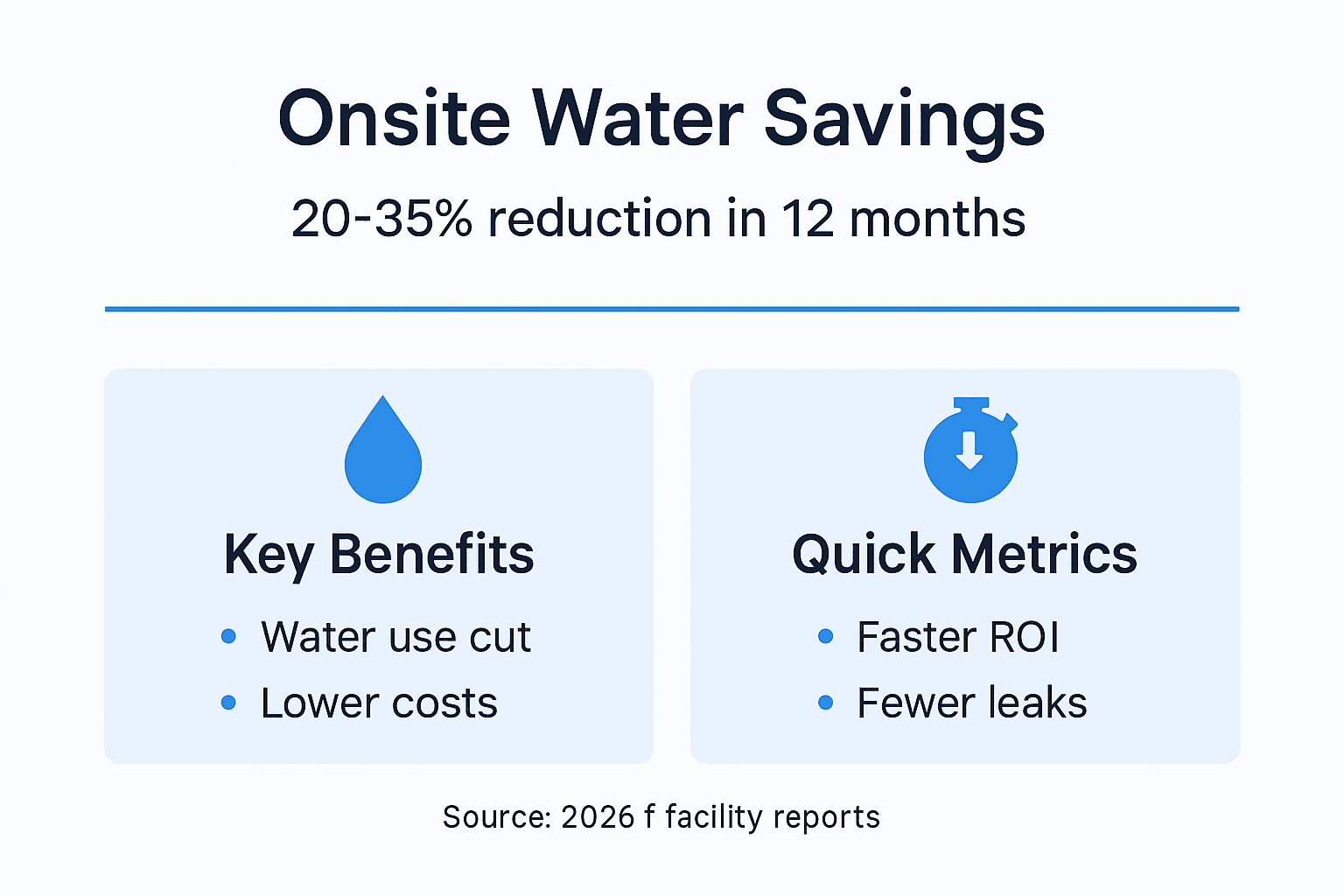
ROI timelines average three years for most commercial installations. Facilities with high water costs or generous rebate programs achieve payback faster. Initial investment includes equipment, installation, and commissioning, while ongoing costs cover maintenance and consumables. Calculate your specific ROI using actual utility rates and projected consumption reductions.
| Metric | Baseline | Year 1 | Year 3 |
|---|---|---|---|
| Monthly water use (gallons) | 500,000 | 350,000 | 325,000 |
| Monthly water cost | $15,000 | $10,500 | $9,750 |
| Annual savings | $0 | $54,000 | $63,000 |
| Cumulative savings | $0 | $54,000 | $171,000 |
Leak detection through IoT sensors reduces water loss within 24 hours of occurrence. Traditional manual inspections miss hidden leaks for weeks, wasting thousands of gallons. Real-time alerts enable immediate repairs, preserving savings and preventing property damage from uncontrolled water flow.
Additional advantages strengthen the business case. Energy savings from reduced pumping and heating lower utility bills further. Positive ESG impact supports sustainability reporting and attracts environmentally conscious tenants. Green building certifications like LEED add property value and marketability. Visit expected outcomes from water recycling to model results for your specific facility.
Alternative Technologies and Tradeoffs
Decentralized systems treat water at individual fixtures or building zones. Lower upfront costs and flexible installation suit smaller facilities or phased rollouts. However, multiple treatment units increase maintenance complexity and labor requirements. Each unit needs separate monitoring, filter changes, and inspections.
Centralized systems consolidate treatment in one location serving entire buildings or campuses. Higher capital investment buys simplified maintenance and economies of scale. A single large filter costs less per gallon treated than ten small units. Centralized monitoring reduces labor, but initial construction disrupts more areas during installation.
Traditional systems without smart monitoring rely on fixed maintenance schedules and manual testing. Lower technology costs appeal to budget-conscious buyers, but lack of real-time data means you miss optimization opportunities. Inefficiencies go undetected, eroding potential savings by 15% to 25% compared to smart systems.
| System Type | Upfront Cost | Maintenance | Scalability | Smart Tech |
|---|---|---|---|---|
| Decentralized | Low | High | Excellent | Optional |
| Centralized | High | Low | Limited | Standard |
| Traditional | Medium | Medium | Good | None |
Choose based on your priorities. Tight budgets favor decentralized starts with expansion over time. Large portfolios benefit from centralized efficiency. Facilities lacking IT infrastructure might accept traditional systems despite lower performance. Most modern installations incorporate smart tech for the 15% to 25% efficiency advantage that pays for sensor costs within 18 months.
Discover Advanced Onsite Water Recycling Solutions
Ready to turn water waste into measurable savings? Simpeller's plug-and-play IoT sensor devices and AI-driven platform make invisible leakages and inefficiencies completely visible. Our advanced water recycling technologies deliver real-time monitoring, predictive maintenance, and tokenized efficiency rewards that offset costs while supporting transparent ESG reporting.
We customize solutions for commercial facilities of any size, providing end-to-end support from site audits through commissioning. Our expert team ensures compliance and installation support that keeps projects on schedule and within budget. Track verified performance improvements, reduce operational costs, and scale resource efficiency across your entire portfolio. Visit our website to explore how we help businesses turn every drop into climate impact.
FAQ
What are the typical installation timelines for onsite water recycling systems?
Most commercial installations complete between four and eight weeks, including equipment delivery, construction, and commissioning. Complex facilities with extensive retrofits may extend to twelve weeks. Your timeline depends on site conditions, permit processing, and contractor availability.
How can IoT sensors detect leaks faster than traditional methods?
IoT sensors provide real-time flow monitoring with alerts triggered within hours of anomalies. Traditional manual inspections occur weekly or monthly, missing leaks for extended periods. Continuous data streams catch even minor drips that manual checks overlook.
What are common maintenance tasks to ensure system longevity?
Weekly visual inspections, monthly filter performance checks, quarterly tank cleanings, and annual professional audits form the maintenance backbone. Operator training on proper chemical handling and troubleshooting prevents 40% of common failures. Establish schedules and stick to them religiously.